That way, you can change the air circulating direction of your fan and create a cooling downdraft during summer time or generate a comfortable air movement by circulating the warm air from the ceiling. Unlike air conditioners, fans only move air—they do not directly change its temperature. The motor is like the heart of the ceiling fan. To help produce a comfortable breeze or wind chill that cools the skin, blades should rotate in a reverse, or counterclockwise, motion. Which direction should your ceiling fan spin for summer and winter?

Unlike air conditioners, fans only move air—they do not directly change its temperature.
You will need a ladder or a step stool to reach the motor housing. Press the forward button to set your ceiling fan to spin counterclockwise for the summer. That way, you can change the air circulating direction of your fan and create a cooling downdraft during summer time or generate a comfortable air movement by circulating the warm air from the ceiling. Your ceiling fan's blades need to be at about 10 to 12 inches from the ceiling to produce the best airflow. If your fan came with a remote, chances are there's an option on the remote for switching the direction. Press the reverse button to set your fan to spin clockwise for the fall and winter. 31.03.2021 · ceiling fan direction in the summer. 08.05.2013 · the faster the blades spin the more air they move, but only if the blades have the right pitch. How to fix ceiling fan motors. If your ceiling fan doesn't work, use these troubleshooting tips to find and fix the problem. 28.10.2021 · modern ceiling fans make switching the direction the blades spin very quick and easy. We should note that in true cases of … Ceiling fans help circulate cool air and cut energy costs during the summer, but they are also helpful during winter months.
This greatly reduces your energy use and can lower your energy bills by as much as 15 percent. If the switch is vertical, flip it up during the winter and down during the. Unlike air conditioners, fans only move air—they do not directly change its temperature. Today, most ceiling fans include remote controls or wall controls that adjust the direction in which the fan blades rotate, which makes reversing your ceiling fan as simple as pressing a button. Therefore, ceiling fans that have a mechanism for reversing the direction in which the blades push air (most commonly an electrical switch on the unit's switch housing, motor housing, or lower canopy) can.
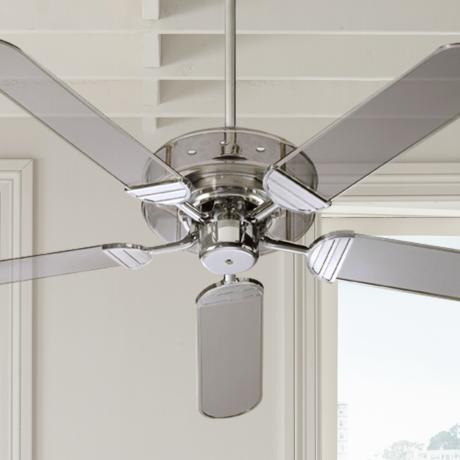
28.10.2021 · modern ceiling fans make switching the direction the blades spin very quick and easy.
If your fan did not come with a remote, there is likely a switch on the base of the fan, just below where the blades sit. We should note that in true cases of … Your ceiling fan's blades need to be at about 10 to 12 inches from the ceiling to produce the best airflow. 08.05.2013 · the faster the blades spin the more air they move, but only if the blades have the right pitch. In the winter, when your heater is running, reversing your ceiling fan moves warm air near the ceiling down to the floor. You will need a ladder or a step stool to reach the motor housing. It needs to be working properly for the fan to run smoothly. Press the forward button to set your ceiling fan to spin counterclockwise for the summer. If the switch is vertical, flip it up during the winter and down during the. This greatly reduces your energy use and can lower your energy bills by as much as 15 percent. The direction that a fan spins should change based on whether the room needs to be heated or cooled. That way, you can change the air circulating direction of your fan and create a cooling downdraft during summer time or generate a comfortable air movement by circulating the warm air from the ceiling. Unlike air conditioners, fans only move air—they do not directly change its temperature.
To help produce a comfortable breeze or wind chill that cools the skin, blades should rotate in a reverse, or counterclockwise, motion. By simply adjusting your ceiling fan direction, you can warm your home in those frigid winter months. Reverse direction for a ceiling fan is a clockwise motion producing an updraft. Therefore, ceiling fans that have a mechanism for reversing the direction in which the blades push air (most commonly an electrical switch on the unit's switch housing, motor housing, or lower canopy) can. This guide will teach you how to select …

Ceiling fans in themselves do not heat or cool a room, but the ceiling fan rotation creates.
If your fan came with a remote, chances are there's an option on the remote for switching the direction. To help produce a comfortable breeze or wind chill that cools the skin, blades should rotate in a reverse, or counterclockwise, motion. If the switch is vertical, flip it up during the winter and down during the. Press the reverse button to set your fan to spin clockwise for the fall and winter. By simply adjusting your ceiling fan direction, you can warm your home in those frigid winter months. We should note that in true cases of … This greatly reduces your energy use and can lower your energy bills by as much as 15 percent. Which direction should your ceiling fan spin for summer and winter? Changing your ceiling fan direction seasonally is one of the simple ways to get the most out of your ceiling fan. Unlike air conditioners, fans only move air—they do not directly change its temperature. Therefore, ceiling fans that have a mechanism for reversing the direction in which the blades push air (most commonly an electrical switch on the unit's switch housing, motor housing, or lower canopy) can. In the winter, when your heater is running, reversing your ceiling fan moves warm air near the ceiling down to the floor. 31.03.2021 · ceiling fan direction in the summer.
33+ Inspirational What Direction Should A Ceiling Fan Spin / Plumbing Vent Piping Tips | Ask the Builder : Reverse direction for a ceiling fan is a clockwise motion producing an updraft.. Reverse direction for a ceiling fan is a clockwise motion producing an updraft. That way, you can change the air circulating direction of your fan and create a cooling downdraft during summer time or generate a comfortable air movement by circulating the warm air from the ceiling. This greatly reduces your energy use and can lower your energy bills by as much as 15 percent. Today, most ceiling fans include remote controls or wall controls that adjust the direction in which the fan blades rotate, which makes reversing your ceiling fan as simple as pressing a button. To help produce a comfortable breeze or wind chill that cools the skin, blades should rotate in a reverse, or counterclockwise, motion.
